
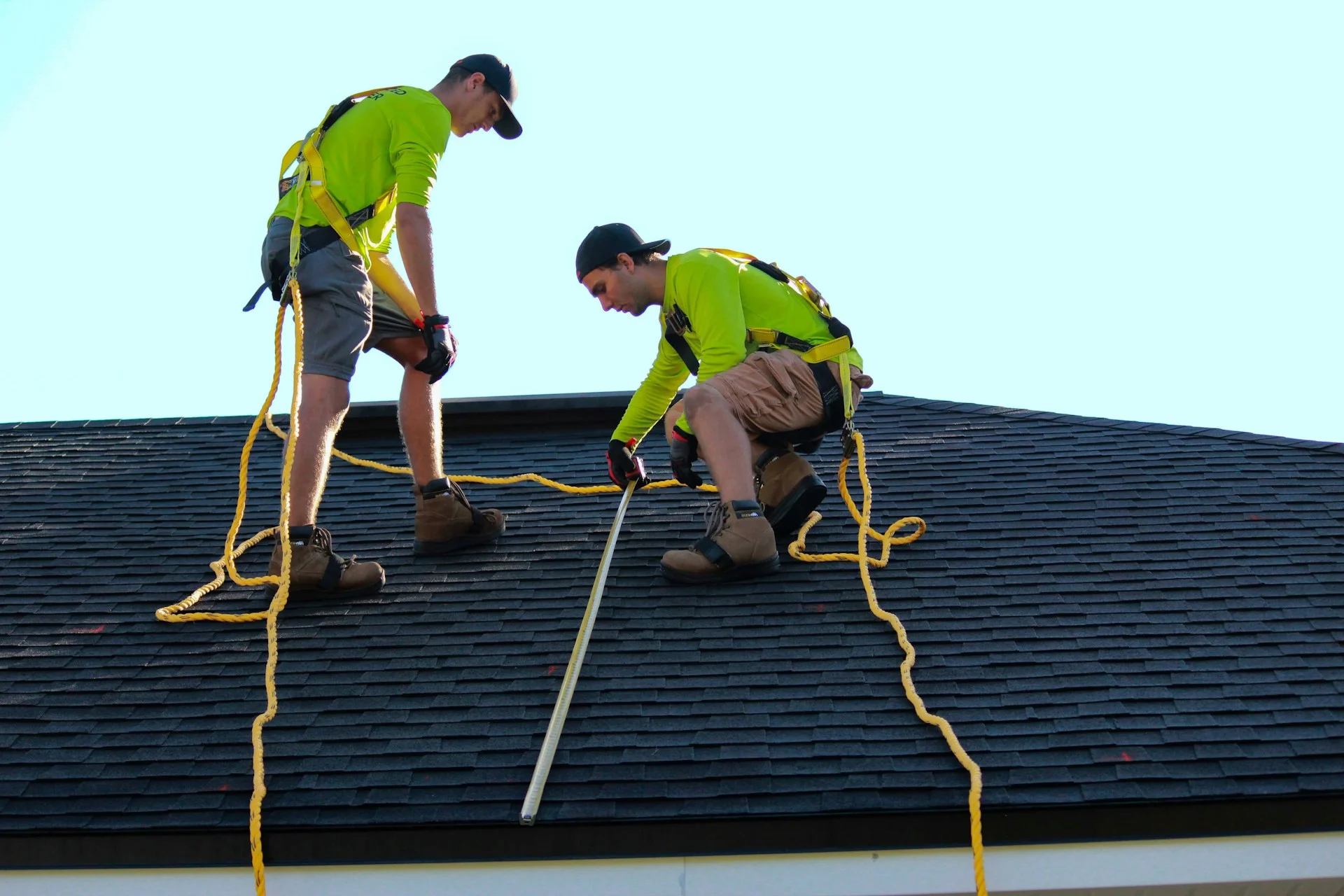
Roof Repair vs. Replacement in Connecticut: How to Know Which One You Need
When a roof starts leaking or shows signs of damage, one of the first questions homeowners ask is whether the problem can be repaired or whether the entire roof needs to be replaced.
The answer isn’t always based on the age of the roof. A 20-year-old roof may still have years of useful life remaining, while a much newer roof can develop serious problems because of storm damage, improper installation, poor ventilation, or flashing failures.
For Connecticut homeowners, the right decision should be based on the overall condition of the roofing system, the cause and extent of the damage, and whether a repair provides a reasonable long-term solution.
When Does a Roof Repair Make Sense?
A roof repair is often appropriate when the problem is localized, and the remainder of the roofing system is still in good condition.
Examples can include:
- A small number of missing or damaged shingles
- Localized wind or storm damage
- A leaking pipe boot
- Flashing problems around a chimney or sidewall
- An isolated leak around a roof penetration
- Damage caused by a fallen branch
- A small section of deteriorated roof decking
- A problem involving a valley or other specific roof detail
The key consideration is whether correcting the damaged area will restore the integrity of the roofing system.
If the surrounding roof remains serviceable, replacing an entire roof because of one repairable problem may not be necessary.
When Is Roof Replacement the Better Choice?
Replacement becomes more practical when problems are widespread, or the roofing system is approaching the end of its useful life.
Common indications include:
- Widespread shingle deterioration
- Repeated leaks in different areas
- Significant granule loss
- Cracked, curling, brittle, or deteriorated shingles
- Multiple previous repairs
- Widespread flashing problems
- Extensively deteriorated roof decking
- Chronic ventilation or moisture problems
- A roof that has reached or exceeded its expected service life
The economics also matter.
Continuing to spend money repairing an aging roofing system can eventually cost more than replacing it, particularly when new problems continue appearing in different areas.
Does a Roof Leak Mean You Need a New Roof?
No.
A roof leak does not automatically mean that the entire roof needs to be replaced.
Some leaks originate from relatively small problems such as failed flashing, a damaged pipe boot, an improperly sealed penetration, or a localized section of damaged shingles.
Other leaks may indicate a more extensive problem.
The location of water inside the house also doesn’t necessarily identify where the roof is leaking. Water can travel along roof decking, framing, insulation, pipes, and other building components before becoming visible on a ceiling or wall.
That’s why determining the source of the leak is an important part of deciding whether repair or replacement is appropriate.
Roof Age Matters, But It Shouldn’t Be the Only Factor
Age is useful when evaluating a roof, but it shouldn’t be the only consideration.
An architectural asphalt shingle roof that was properly installed, adequately ventilated, and well maintained may remain serviceable for many years.
Conversely, a relatively young roof can experience premature problems from:
- Poor installation
- Inadequate attic ventilation
- Improper flashing
- Storm damage
- Excessive heat or moisture
- Ice dams
- Tree damage
- Previous repairs that weren’t properly completed
A contractor should evaluate the roof’s actual condition, not simply recommend replacement because it has reached a certain age.
Connecticut Weather Can Accelerate Roof Damage
Connecticut roofs experience conditions that can be particularly demanding on roofing systems.
Throughout the year, a roof may be exposed to:
- Heavy rain
- High winds
- Snow accumulation
- Ice
- Freeze-thaw cycles
- Summer heat
- Falling branches and storm debris
Repeated expansion and contraction can affect shingles, flashing, sealants, and other roof components over time.
Storm damage can also be difficult to identify from the ground. A roof may appear intact while having lifted shingles, damaged flashing, punctures, or other conditions that warrant closer inspection.
What About Matching Existing Shingles?
Matching becomes an important consideration when repairing an older roof.
Even if the same manufacturer and shingle color are still available, years of exposure to sunlight and weather can change the appearance of the existing shingles.
A repair therefore may not be visually identical to the surrounding roof.
Products can also be discontinued or redesigned over time.
This doesn’t necessarily mean the roof needs to be replaced, but homeowners should understand the potential appearance difference before proceeding with a repair.
What If the Damage Was Caused by a Storm?
Wind, falling trees, branches, and other severe-weather events can cause damage to an otherwise serviceable roof.
When storm damage occurs, it is helpful to document the condition before repairs begin whenever practical.
Depending on the circumstances, documentation may include:
- Photographs of the damaged area
- Photographs of interior water damage
- Inspection findings
- Measurements
- Repair or replacement estimates
- Documentation of damaged roofing components
Whether damage is covered by homeowners insurance depends on the policy, cause of loss, extent of damage, and the insurance company’s evaluation.
A roofing contractor can document roofing conditions and provide an estimate, but coverage decisions are ultimately made by the insurance carrier under the terms of the homeowner’s policy.
Should You Repair a Roof That’s Near the End of Its Life?
Sometimes.
A repair can still make sense on an older roof if the homeowner needs to stop a leak or correct isolated damage and understands that additional problems may develop as the roofing system continues to age.
However, expectations are important.
Repairing one problem on an aging roof does not restore the remaining roofing system to new condition.
For example, repairing flashing around a chimney won’t prevent unrelated 25-year-old shingles on another section of the roof from eventually deteriorating.
Homeowners should compare:
Cost of repair versus expected remaining roof life versus Cost of replacement
before making the decision.
Why the Quality of the Original Installation Matters
Two roofs using the same shingles can perform very differently.
Roof longevity depends on much more than the shingle itself.
A properly installed roofing system includes appropriate:
- Roof decking
- Underlayment
- Ice and water protection
- Drip edge
- Flashing
- Starter shingles
- Field shingles
- Ridge caps
- Ventilation
- Fastening
Details around chimneys, walls, valleys, skylights, pipes, and other penetrations are particularly important because these are common locations for water intrusion.
A roof is a complete system. The quality of the installation often matters as much as the roofing material selected.
Questions to Ask Before Deciding
Before choosing between repair and replacement, homeowners should be able to answer several questions:
- How old is the existing roof?
- What caused the current problem?
- Is the damage isolated or widespread?
- What condition are the surrounding shingles in?
- Are the flashing systems functioning properly?
- Is there evidence of damaged or deteriorated decking?
- Have there been previous leaks or repairs?
- Is the attic properly ventilated?
- How much useful life is realistically left in the roof?
- Will the proposed repair provide reasonable value compared with replacement?
The answers usually make the appropriate course of action much clearer.
Repair or Replace? Start With the Condition of the Roof
There isn’t a universal age or repair cost that automatically determines whether a roof should be replaced.
A relatively simple repair can sometimes extend the useful life of a sound roofing system for years. In other situations, repeated repairs to a deteriorated roof simply postpone an inevitable replacement while increasing the homeowner’s overall cost.
The objective of a professional roof inspection should be to identify what is actually failing, why it is failing, and whether that problem can reasonably be corrected without replacing the entire roofing system.
Roof Repair and Replacement in Connecticut
Fulcrum Contracting provides residential and commercial roofing services throughout Fairfield County, New Haven County, and surrounding Connecticut communities.
If you’re unsure whether your roof needs a repair or replacement, Fulcrum Contracting can inspect the roofing system, identify visible problem areas, and explain the available options so you can make an informed decision based on the roof’s actual condition.