
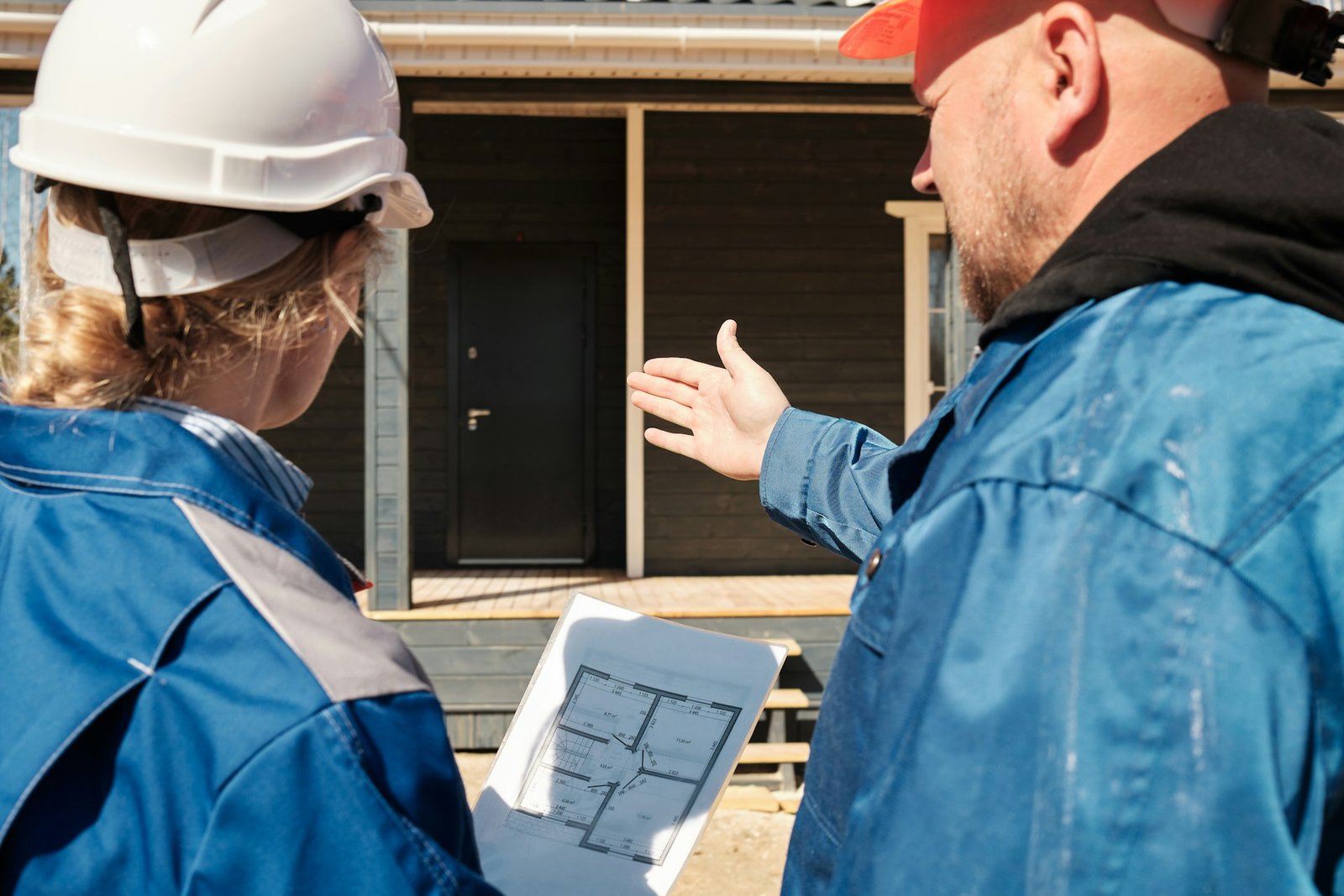
What Makes a Good Contractor: Key Qualities and Skills for Success
A good contractor can make the difference between a smooth, well-executed home project and one full of delays and frustration. Connecticut homeowners should select contractors familiar with local codes, weather issues, and durable craftsmanship.
At Fulcrum Contracting, we believe that strong communication and professionalism build the foundation of every roofing or siding project. Our approach focuses on honest guidance, durable materials, and dependable service built around your home’s long-term protection.
In this guide, you’ll learn the key traits and skills that define a great contractor. These include communication, time management, safety practices, and workmanship standards—so you can choose with confidence and protect your investment.
Core Qualities of a Good Contractor
A good contractor builds trust by showing honesty, skills, and clear communication. These traits help protect your home and make sure your project runs smoothly. You want a contractor who follows rules, keeps you informed, and takes pride in their work.
Professionalism and Integrity
You need a contractor who acts professionally at all times. This means showing up on time, respecting your property, and completing the work as promised. A contractor with integrity will be honest about costs and any issues that come up.
They won’t cut corners or use cheap materials. Professionalism also means handling problems quickly and fairly. This creates peace of mind and ensures your home is protected throughout the process.
Licensing and Certification
Before hiring a contractor, check that they hold the right licenses and certifications. These prove they meet industry standards and local laws. Licensed contractors carry insurance to protect you if accidents happen.
Without proper licensing, you risk poor work and potential legal problems. Make sure your contractor has the training needed to handle building permits and inspections. You’ll want this assurance for any major home improvement.
Communication Skills
Clear and timely communication is key during any project. Your contractor should keep you updated about work progress, timelines, and any challenges. This helps you plan and avoid surprises.
Good contractors listen to your questions and respond quickly. They explain technical terms in simple language so you understand what’s happening. This level of communication builds trust and makes sure your needs are met every step of the way.
Experience and Expertise
A good contractor brings both hands-on work history and strong technical skills. These qualities help ensure your project runs smoothly and meets all safety and building standards.
Relevant Project History
Look for a contractor with proven experience on projects like yours. Their past work may include asphalt shingles, metal, rubber roofs, and vinyl siding. This varied background shows they can handle different materials and situations.
Experience means they know how to avoid common problems and keep projects on schedule. It also means they understand local weather challenges, like snow and storms, and build roofs and siding that last.
Make sure your contractor can provide examples of completed jobs and references from nearby areas like Fairfield or New Haven Counties.
Technical Knowledge
A skilled contractor stays updated on building codes, safety rules, and the latest roofing technologies. They use weather-resistant, fire-rated, and low-maintenance materials that work well in Connecticut’s climate.
They also know how to manage insurance claims and inspections to support your project. Technical expertise includes understanding proper installation techniques for each material type.
It also means clear communication about what to expect during the job, helping you feel confident and informed. Choose a contractor who keeps their licenses current and offers warranties, so you have peace of mind from start to finish.
The Importance of Continuous Contractor Training
A great contractor stays current with new materials, tools, and safety protocols through continuing education.
According to the National Roofing Contractors Association (NRCA), ongoing training improves installation quality, reduces job-site accidents, and ensures compliance with building codes. Regular certification updates protect warranties on roofing and siding systems requiring manufacturer-approved installers.
In Connecticut, where extreme weather affects material performance, trained contractors know how to apply the latest techniques for insulation, moisture control, and storm resistance. Before hiring, ask contractors how they maintain their professional development and stay informed on regional building requirements.
Project Management Skills
Managing a construction project means juggling many parts at once. You need to keep the work on schedule, control costs, and solve problems quickly. These skills ensure your project runs smoothly and finishes as planned.
Time Management
Sticking to a timeline is key for any project. You need to plan tasks, assign deadlines, and track progress. Delays often lead to higher costs or unhappy clients. Using tools like schedules or software helps you see where the project stands.
You can spot delays early and adjust work orders or labor to catch up. Good time management also means clear communication. Let everyone know what’s expected and when. This helps avoid confusion and keeps your team focused on the job.
Budgeting Abilities
Managing your budget keeps costs under control and prevents surprises. You start with an accurate estimate of materials, labor, and other expenses. Tracking spending as work progresses helps you avoid going over budget.
You can compare actual costs with what you planned and adjust where needed. Part of budgeting is anticipating risks, like weather delays or material price changes. Preparing for these can reduce their impact on your bottom line.
Problem-Solving
Unexpected issues often come up on construction sites. Good contractors face these problems with a clear plan and quick thinking. When you spot a problem, assess it calmly. Then decide on the best solution, whether that’s changing a schedule, ordering new materials, or adjusting the design.
Strong communication is part of this, too. You need to explain issues and solutions to your team and clients clearly. This builds trust and avoids surprises. Effective problem-solving helps keep your project on track, even when things don’t go as planned.
Workmanship and Quality Standards
The quality of a contractor’s work depends on two key factors: the precision in completing tasks and the materials chosen. These determine how well the final project will hold up over time, especially in Connecticut’s weather. Paying close attention to these details helps protect your home and adds value.
Attention to Detail
Good workmanship means every part of the job is done carefully and correctly. Small mistakes can cause big problems later, such as leaks or poor insulation.
You want a contractor who:
- Clearly measures and fits materials properly
- Takes time to clean up and follow local building codes
- Checks their work to meet industry standards
Use of Quality Materials
Using strong, durable materials is just as important as skilled work. Materials must be suitable for Connecticut’s weather, resisting snow, rain, and heat without breaking down.
Choose a contractor who:
- Selects products rated for fire and weather resistance
- Offers a choice of materials like asphalt shingles, metal, or vinyl siding, designed to last
- Sources from trusted suppliers to avoid defects
Client Relations and Satisfaction
Building trust and keeping clients happy are essential parts of a good contractor’s work. You need clear communication and quick responses to make sure your project runs smoothly. Strong relationships lead to repeat jobs and positive referrals, which help your business grow.
Transparent Communication
You should expect your contractor to explain each step clearly from start to finish. This means being upfront about costs, timelines, and any challenges that come up. If something changes, like a delay or extra expenses, you get immediate updates.
This honesty helps you avoid surprises and keeps you confident in the work being done. Clear communication also means your questions are answered fully and without technical jargon, so you always know what’s happening.
Responsiveness to Client Needs
A good contractor listens carefully to your concerns and adjusts their work to meet your specific needs. They respond quickly to calls or emails, scheduling appointments at times that work for you.
They don’t just follow a checklist; they tailor their services based on your home’s condition and your budget. If you notice an issue or want changes, they address it promptly, avoiding costly delays. Quick follow-up and flexibility show they value your time and investment.
| What to Expect | Why It Matters to You |
| Honest updates about progress | Avoid unexpected costs or delays |
| Answers in plain language | Understand the work without confusion |
| Fast scheduling and responses | Keep your project on track |
| Adaptable to your needs | Get solutions that fit your home |
Reliability and Timeliness
When you hire a contractor, you want someone reliable who sticks to the plan. This means showing up on time, meeting deadlines, and completing work as promised. Timeliness is just as important. Delays can cause extra costs and stress.
A good contractor manages the schedule carefully to finish your roofing or siding job quickly without cutting corners.
Here are key points about reliability and timeliness:
| Quality | What It Means for You |
| Punctuality | Workers arrive and start on time |
| Deadline-Driven | Projects finish when expected |
| Consistency | Work progresses steadily day-to-day |
You can expect transparency in schedules and trustworthy updates. This helps you avoid surprises and keeps your project on track from start to finish. Trust and follow-through are what make a good contractor stand apart.
Safety Practices and Compliance
Safety and following rules are key for contractors to protect workers and meet legal standards. This means knowing the laws that apply and keeping the work area free from hazards. Doing both well shows you care about quality and trustworthiness.
Adherence to Regulations
You must follow all state and local safety laws for your work. This includes having the right licenses and permits before starting any job. In Connecticut, regulations cover roofing and siding safety rules specific to weather and building codes.
Keep safety records and reports to track incidents, inspections, and training sessions. This proves your compliance and helps you improve safety. Training your team on proper safety procedures is essential.
Everyone must know how to handle equipment and respond to emergencies. Update training regularly to stay prepared for new risks or rule changes.
Job Site Safety
Organize your job site and remove hazards to prevent injuries. Secure ladders, scaffolding, and tools. Always wear and provide personal protective equipment (PPE), such as helmets and gloves.
Clear communication keeps everyone safe. Use signs, signals, and meetings to inform the team about risks and safety steps. For example:
| Safety Measures | Purpose |
| PPE (helmets, gloves) | Protect workers from injuries |
| Marked hazard zones | Warn of dangerous areas |
| Regular safety audits | Identify problems early |
| Emergency plans | Prepare for accidents |
Follow these steps to reduce accidents and keep your project running smoothly. This ensures your workers return home safe every day.
Warranty and After-Project Support
When you work with a contractor, warranty and after-project support protect your investment. A good contractor offers clear warranties that cover workmanship and materials for a set period.
Strong warranty coverage should include:
- Length of Warranty: Usually ranges from 1 to 10 years, depending on the work and materials.
- Scope of Coverage: Covers repairs or replacements for defects in workmanship or materials.
- Claim Process: Provides clear instructions on how to report issues and request service.
After your project ends, support remains important. Good contractors answer questions, give maintenance advice, and handle repairs promptly. They also keep detailed records of your project and warranty terms, which helps avoid misunderstandings and makes sure you know what is covered.
Choosing a contractor who stands behind their work gives you peace of mind. Your home stays protected, and you build trust for long-term satisfaction.
Value for Money
When you hire a contractor, getting value for your money means more than finding the lowest price. It means paying for quality work that lasts, is done on time, and within your budget.
Choose contractors who provide clear pricing and honest estimates. This helps you understand what you’re paying for and avoid surprises or hidden fees. Your investment stays on track when you know the costs upfront.
Look for a contractor who uses quality materials suited for your area. Connecticut’s weather demands roofing and siding that withstand storms, snow, and heat. Local contractors select materials built to last.
Good contractors keep your project on schedule, saving you time and extra costs. Delays often add to your expenses and cause frustration. A reliable team manages the work efficiently from start to finish.
Before you decide, ask for detailed quotes and compare what is included. Check warranties and insurance coverage to protect your home and your money.
Tips for ensuring value:
- Confirm all costs in writing
- Choose trusted materials for durability
- Verify licenses and insurance
- Track project milestones
Building Confidence Through Skill, Safety, and Integrity
A good contractor delivers more than finished work—they deliver peace of mind. By combining professionalism, technical skill, and honest communication, you’ll find someone who respects your time, your home, and your investment.
At Fulcrum Contracting, our team embodies these qualities every day. From timely project management to precision installation, we take pride in providing roofing and siding solutions that stand up to Connecticut’s demanding weather while exceeding homeowner expectations.
If you’re planning your next roofing or siding project, start by talking with a certified professional today. Get a free roof estimate or schedule your inspection to see what expert craftsmanship can do for your home.
Frequently Asked Questions
What should I look for when hiring a contractor?
Look for proper licensing, experience with similar projects, clear communication, and a reputation for reliability and quality workmanship.
Why is licensing important for contractors?
Licensing ensures the contractor meets industry and legal standards, and typically means they carry insurance to protect you from accidents or damages.
How can I check a contractor’s experience?
Ask for examples of completed jobs, references from previous clients, and details about similar projects they have handled.
What are the signs of good communication from a contractor?
They provide regular updates, answer your questions promptly, and explain the process in simple language.
How do contractors ensure projects stay on schedule?
They use planning tools, set clear deadlines, communicate expectations, and address any issues quickly to avoid delays.
Why is attention to detail important in contracting?
Attention to detail prevents mistakes that can lead to costly repairs, ensuring the finished project lasts longer and performs better.
What materials should a contractor use in Connecticut?
Materials should be weather-resistant, fire-rated, and suitable for local climate conditions, such as asphalt shingles, metal, or vinyl siding.
How do contractors handle unexpected problems?
They assess issues calmly, communicate solutions clearly, and adjust plans as needed to keep the project moving forward.
What makes a contractor reliable?
Reliability comes from punctuality, meeting deadlines, consistent work progress, and clear communication throughout the project.
How do I know if a contractor values safety?
They follow safety laws, keep the work area hazard-free, and maintain proper certifications and insurance.