
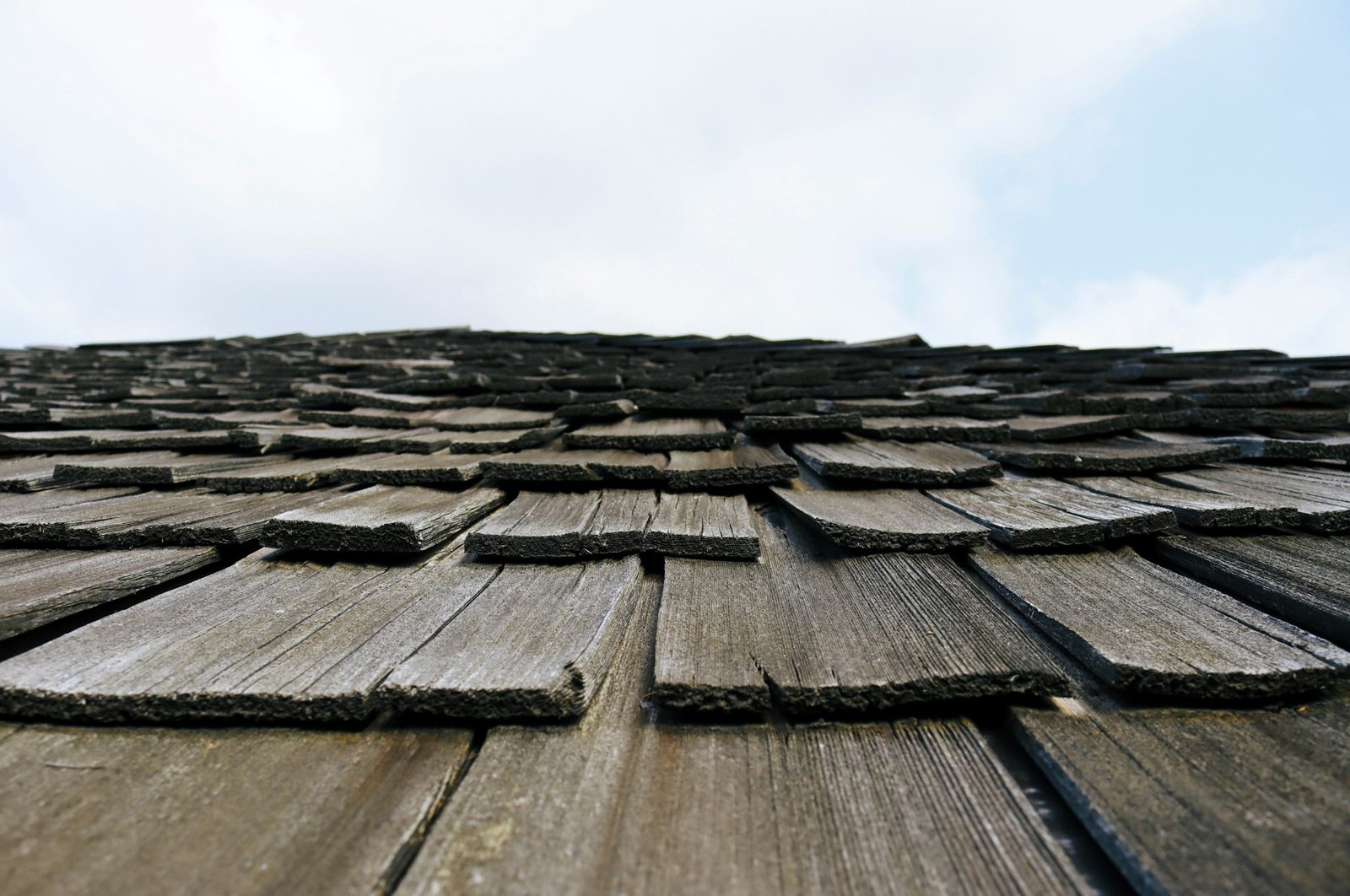
Roof Flashing Purpose: Learn How It Protects Your Home from Water Damage
A strong roof does more than look good — it protects everything you value inside your home. One small but powerful part of that protection is roof flashing. It’s easy to overlook, yet it quietly works every day to keep rain, snow, and melting ice from finding their way inside.
Homeowners usually overlook flashing until a leak occurs, but this thin metal strip is crucial for your roof’s integrity. At Fulcrum Contracting, we see how much difference proper flashing makes. It’s the detail that keeps homes dry, prevents costly repairs, and helps roofs last decades longer.
In this guide, you’ll learn how roof flashing works, the most vulnerable areas it protects, and why inspecting and maintaining it can save you money — and peace of mind — for years to come.
Understanding Roof Flashing
Roof flashing might seem small, but it plays a big role in stopping water damage. It seals gaps and directs water away from places where leaks can start. Knowing what flashing is and how it works helps you protect your home better.
What Is Roof Flashing?
Roof flashing is a thin piece of metal or other waterproof material installed around roof features. These features include chimneys, skylights, vents, and joints where different roof parts meet. Its job is to stop water from seeping into your roof and walls.
Without flashing, water could easily enter these weak spots and cause leaks, leading to damage like mold and rot. It’s a key part of your roof’s defense against water.
How Roof Flashing Works
Flashing directs water away from joints and roof openings. It creates a seal that water cannot penetrate, guiding rain or melting snow down and off your roof. The flashing fits tightly against shingles and other roofing materials to close any gaps.
Flashing acts like a shield, protecting the wood and insulation beneath the roof surface by preventing moisture buildup. Properly installed flashing is especially important during snow melts and heavy rains.
Key Materials Used in Roof Flashing
Most flashing is made from metal because metal is strong, durable, and water-resistant. The most common metals include:
- Aluminum: Lightweight and rust-resistant, good for most residential roofs.
- Galvanized steel: Strong and cost-effective, but may need maintenance to prevent rust.
- Copper: Very durable and long-lasting, but more expensive. Often used on premium homes.
Some contractors use rubber or plastic flashing around vents or chimneys for added flexibility. The choice of flashing material depends on your roof type and local weather, ensuring your roof stays secure.
Primary Purpose of Roof Flashing
Roof flashing serves several key roles to protect your home from water damage. It creates a waterproof barrier, directs water safely away from vulnerable spots, and helps your roof last longer in tough weather. Each of these tasks is important to keep your roof intact and your home dry.
Waterproofing and Leak Prevention
Flashing works as a thin, waterproof shield installed around roof penetrations like chimneys, vents, and skylights. These areas are especially prone to leaks because they break the smooth surface of your roof.
Without flashing, water can seep through gaps and damage your home’s interior. By sealing these joints, flashing prevents rain, snow, and melting ice from entering your roof structure.
Over time, this keeps moisture from causing rot, mold, or structural weakness in your home. Inspecting your flashing regularly helps catch damage early—look for cracks, rust, or loose sections to keep your waterproof barrier strong.
Redirecting Water Flow
Flashing guides water away from sensitive areas on your roof. It channels rain and melted snow toward gutters or downspouts, preventing water from pooling near walls, joints, or roof edges. This protects your roof deck and underlying materials.
Without flashing, water can collect in valleys or around projections, increasing the chance of leaks or rot. The metal or rubber materials used in flashing are shaped to control where water flows, keeping it off surfaces where damage is likely.
Enhancing Roof Durability
Flashing strengthens your roof by shielding vulnerable spots from water damage and weathering. When water stays out, your roofing materials last longer and remain effective at protecting your home.
A roof with good flashing resists damage from freeze-thaw cycles, wind-driven rain, and ice dams. This reduces the need for repairs and supports the overall structural integrity of your roof by preventing moisture buildup.
Critical Roof Areas Requiring Flashing
Certain spots on your roof are more likely to let water in if not properly protected. These areas often have changes in roof shape or openings, making them vulnerable to leaks without flashing. Knowing where flashing goes helps you focus on key points that keep your roof secure.
Chimneys and Skylights
Chimneys and skylights break the flat surface of your roof. Water can collect around their edges, making sealing essential. Flashing around chimneys uses metal pieces that fit tightly where the chimney meets the roof, blocking water from slipping under shingles or tiles.
Skylights need flashing to create a watertight fit between the glass edges and the roof. Poorly sealed skylights cause leaks that damage ceilings and insulation. Without flashing here, water can cause rot, mold, and costly repairs.
Roof Valleys
Roof valleys are where two roof slopes meet. These channels collect rainwater and snowmelt and carry it off the roof. Because water flows strongly in valleys, flashing must form a watertight barrier along the entire length.
Metal flashing is usually installed under shingles and shaped to guide water down. If flashing fails in a valley, leaks can penetrate deep beneath the roofing and damage decking and interior walls.
Roof Edges and Eaves
Edges and eaves form the outer boundary of your roof. They often receive wind-driven rain and ice buildup in winter. Flashing along edges protects the roof’s ends where shingles or tiles finish and directs water away from the roof structure and into gutters.
Eave flashing helps prevent water from backing up and seeping under roofing materials, which can cause damage over time. Proper edge and eave flashing also stops wind from lifting shingles, extending the roof’s lifespan.
Types of Roof Flashing
Different types of roof flashing serve specific purposes to protect your roof from water damage. Each type is designed to seal areas where water is most likely to enter, such as where the roof meets walls, vents, or other roof sections.
Step Flashing
Step flashing is used where a sloped roof meets a vertical wall. It consists of individual pieces of metal, usually aluminum or galvanized steel, bent at a 90-degree angle. Each piece overlaps the one below it, creating a stepped pattern that guides water away from the joint.
This flashing is installed alongside shingles, which helps seal gaps and prevent leaks at seams between the roof and walls. Proper step flashing is essential for homes where heavy rain and snow can find their way through poorly sealed edges.
Continuous Flashing
Continuous flashing is a long, unbroken strip of metal that runs along roof joints or edges. It’s often used under chimney bases, roof valleys, or along siding intersections. This type acts as a barrier to direct water away and keep it from infiltrating the roof structure.
Because continuous flashing covers large areas, it must be tightly sealed and well-secured. It is typically made from durable materials like copper or aluminum because these resist corrosion and last for many years.
Drip Edge Flashing
Drip edge flashing is installed along the edges of your roof, including the eaves and rakes. Its key function is to guide rainwater off the roof edge and into gutters, preventing water from getting under the roofing materials or causing damage to the fascia boards.
This flashing usually extends slightly beyond the roof edge and is shaped to redirect water efficiently. Most drip edges are made of galvanized steel or aluminum to withstand moisture and harsh conditions.
Vent Pipe Flashing
Vent pipe flashing seals the area where plumbing or exhaust pipes pass through the roof. This type has a base that fits tightly around the pipe and a flashing flange that extends under the shingles.
It often includes a rubber or neoprene collar that creates a watertight seal around the pipe. This prevents leaks around vent pipes, which are common weak points on many roofs. If vent pipe flashing fails, water can enter the attic and cause damage, so secure installation is important.
Installation Best Practices
Installing roof flashing correctly is vital for stopping water leaks and protecting your home. You need to focus on how pieces overlap, sealing every joint tightly, and deciding when to hire professionals instead of doing it yourself.
Proper Overlapping Techniques
Flashing pieces must overlap so water flows away from your home. Typically, each piece should cover at least 2 to 4 inches of the one below it. This prevents water from seeping through gaps or joints.
When flashing meets a wall or chimney, the bottom piece goes under the shingles, while the next piece overlaps it from above. This layered setup guides water down and off the roof.
Make sure the metal runs in the same direction as the water flow. Secure nails outside of water paths to avoid leaks through fastener holes.
Importance of Sealing Joints
All joints between flashing sections must be sealed properly. Use high-quality roofing cement or approved sealants to fill nail holes and seams. This stops wind-driven rain from getting under the flashing.
Pay special attention to corners and intersections where two different flashing types meet. These are common weak spots. Resealing should be done every few years during routine maintenance to keep your roof watertight.
Professional vs. DIY Installation
You can install flashing yourself if you understand the materials and local weather conditions well. However, improper installation can quickly lead to leaks and costly repairs.
If you’re unsure about overlapping or sealing joints, hiring a pro gives you peace of mind that a DIY job cannot. Professionals deliver fast, reliable results and offer warranties to protect your investment.
Why Flashing Replacement Should Be Part of Every Roof Replacement
Flashing isn’t meant to last forever. Even durable metal eventually corrodes or pulls loose from expansion and contraction. The Asphalt Roofing Manufacturers Association recommends replacing flashing whenever new shingles are installed — not reusing the old material.
New flashing ensures every joint, valley, and penetration is fully sealed and compatible with your updated roofing materials. It’s one of those behind-the-scenes upgrades that protect your investment and prevent leaks from forming under an otherwise brand-new roof.
Common Problems Without Proper Flashing
Missing or faulty flashing can cause serious issues for your roof and home. Water can enter through weak spots, leading to hidden damage and expensive repairs. Knowing what can go wrong helps you protect your investment.
Leaks and Water Intrusion
Without proper flashing, water seeps into your roof near joints, chimneys, and skylights. This causes leaks that damage ceilings, walls, and insulation inside your home. Even small cracks or gaps in flashing let rain and snowmelt inside.
Leaks start slowly but worsen over time. You might notice stains on your ceiling or wet spots in your attic. Ignoring these signs leads to bigger problems. Fixing leaks early prevents damage that can require costly roof or interior repairs.
Structural Damage Risks
Water leaking through missing or damaged flashing harms the roof deck and supporting structures. Moisture weakens wood framing, causing rot and loss of strength. Over time, this can cause sagging roof sections or even collapse in severe cases.
Structural damage is expensive and risky. It may require replacing the roof framework or the entire roof. Protecting your roof with quality flashing helps you avoid these risks.
Mold and Mildew Development
Moisture from improper flashing creates the perfect environment for mold and mildew inside your attic and walls. Mold spreads quickly and can harm indoor air quality, potentially affecting your family’s health.
Mold may not be visible at first, but it causes musty odors, discoloration, and wood decay. Addressing flashing problems stops moisture buildup and limits mold growth. Regular inspections and maintenance help keep these issues from taking hold in your home.
Maintenance and Inspection of Roof Flashing
Keeping your roof flashing in good condition is essential to prevent water leaks and damage. Check it regularly, know the signs of failure, and understand when to fix or replace it. These steps protect your home from costly water damage.
Regular Inspection Schedules
Inspect your roof flashing at least twice a year, ideally in spring and fall. Also, check after strong storms, heavy winds, or hail, as these events can loosen or damage flashing. During your inspection, look closely at joints and areas where flashing connects to chimneys, vents, or walls.
Use binoculars if you can’t reach the roof safely. If you notice rust, cracks, or gaps, it’s time for a professional inspection. Regular inspections save you money by catching small problems early. Add flashing checks to your yearly roof maintenance routine.
Signs of Flashing Failure
Watch for these signs that your flashing may have problems:
- Water stains on ceilings or walls inside your home
- Visible gaps, cracks, or rust on the flashing
- Loose or missing nails or fasteners
- Peeling or damaged sealant around flashing areas
If you see water marks inside your house, moisture is getting in. Flashing failure causes rain to seep through roof gaps. Rust or cracks let water through, especially around metal flashing. Act quickly at the first sign of damage to prevent mold, wood rot, and structural issues.
Repair and Replacement Tips
Fix small flashing issues with sealant or patching. Use a high-quality roofing sealant designed for your flashing material, and make sure the surface is clean before applying. If flashing is severely corroded, torn, or loose, replace it instead of patching.
Replacement means removing old flashing and installing new metal or aluminum to match your roof. Repair or replace flashing promptly to keep your roof watertight and lasting longer. For best results, hire a licensed professional who understands local weather and code requirements.
Protecting Your Roof Starts with the Smallest Details
Your roof’s strength depends on more than shingles — it’s the hidden details like flashing that keep your home safe, dry, and worry-free. By learning how flashing works, you can spot potential issues before they cause damage and make smarter choices about repairs or replacements.
At Fulcrum Contracting, we treat flashing as the backbone of a durable roof system. Every corner, joint, and valley is sealed with care because we know those details matter most when the next storm hits. Our team installs flashing built to last, giving homeowners lasting protection and confidence in every season.
If you’re unsure about your flashing’s condition, schedule a roof inspection. Catching small issues early can prevent costly repairs and extend your roof’s life — one simple step toward a safer, stronger home.
Frequently Asked Questions
What is roof flashing?
Roof flashing is a thin, waterproof material, usually metal, installed around roof features like chimneys, skylights, and vents to prevent water from entering your home.
Why is flashing important for my roof?
Flashing protects vulnerable areas of your roof by directing water away from joints and openings, preventing leaks and water damage.
What are the common materials used for flashing?
Common flashing materials include aluminum, galvanized steel, copper, and sometimes rubber or plastic for added flexibility.
How often should I inspect my roof flashing?
Inspect your roof flashing at least once a year and after severe weather. Look for cracks, rust, or loose sections that could allow water in.
Can I install roof flashing myself?
While minor repairs may be possible for handy homeowners, professional installation ensures proper overlap, sealing, and long-term protection.
What happens if flashing is missing or damaged?
Missing or damaged flashing can lead to leaks, rot, mold, and costly repairs. Prompt maintenance and repairs keep your roof in good shape.