
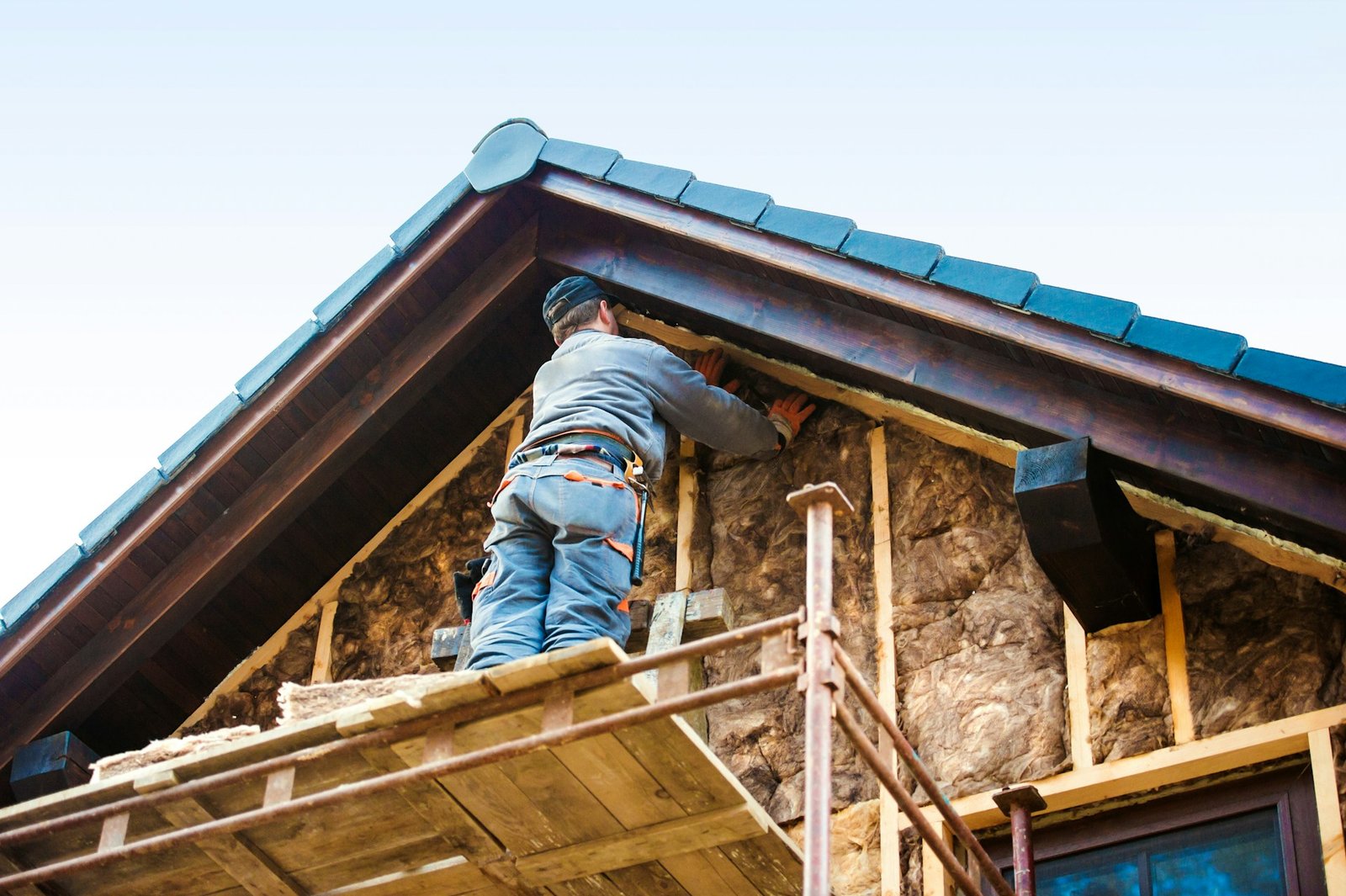
How to Choose the Right Contractor for a Smooth and Successful Home Project
Choosing the right contractor for your roofing or siding project can make the difference between a stress-free upgrade and a frustrating experience. Connecticut homeowners face unique weather conditions, so finding a contractor who understands local materials and seasonal challenges is essential for lasting results.
At Fulcrum Contracting, we know that trust and communication are as important as craftsmanship. Our team helps homeowners across Connecticut make confident decisions about roofing and siding projects by focusing on transparent estimates, reliable timelines, and durable materials suited for New England’s climate.
In this article, you’ll learn how to evaluate contractors, compare bids, check credentials, and communicate effectively throughout your project. Each section offers pra
Understanding Your Project Requirements
Before selecting a contractor, define your project, budget, and timeline. Clear details about these parts will help you find a contractor who matches your needs and can deliver results on time. Knowing these factors helps you get accurate bids and avoid surprises.
Defining the Scope of Work
Clearly explain what you want done. Write down every detail, such as the type of roofing or siding, preferred materials, and any specific features or repairs. Be specific about the size of the area and the condition of your home or building.
This information helps contractors understand the work involved and prevents unexpected issues. Knowing exactly what you need also helps in getting accurate and comparable bids from different contractors.
Determining Your Budget
Set a realistic budget and allow for unexpected costs. Roofing and siding jobs can have extra expenses due to repairs or changes in materials. Get estimates from several companies to know the market rates, and ask about labor, materials, permits, and other fees.
A clear budget helps prevent funding delays and keeps your project on track. Transparent pricing and upfront discussions about costs help you find options within your budget without sacrificing quality or safety.
Establishing a Timeline
Decide when you want the project to start and finish. Seasonal changes in Connecticut can affect the best times for roofing or siding work, so plan accordingly. Ask your contractor how long each part of the job should take.
Rushing can lower quality, so set a schedule with clear milestones to track progress. Confirm the timeline before signing any contract to set expectations clearly.
Researching Potential Contractors
Start your search for the right contractor by doing thorough research. Confirm they meet legal requirements, have a strong history of completed work, and hold the proper certifications. These steps help ensure your project is done well and on time.
Checking Licenses and Insurance
Verify the contractor’s licenses to ensure they are legally allowed to work in your area. Check the license number with your state or local licensing board in Connecticut. Confirm the contractor carries both liability insurance and workers’ compensation.
Ask for proof of insurance and contact the insurance company if needed. Licensing and insurance protect you from costs if accidents or damage happen during the project. Without these, you could face penalties or be responsible for injuries.
Reviewing Portfolios and Past Projects
Review past work to judge quality and style. Ask contractors for a portfolio or references from recent clients. Photos of finished jobs show their skills, especially for materials like asphalt shingles or metal roofs.
Contact previous customers to ask about timeliness, professionalism, and if the work met expectations. Pay attention to projects done in Connecticut since regional weather affects roofing and siding durability.
Look for consistent work quality and attention to detail. Past projects in Fairfield and New Haven counties can show if the contractor is familiar with local weather conditions.
Evaluating Credentials and Certifications
Credentials show a contractor’s expertise beyond licenses. Look for memberships in industry groups or certifications from material manufacturers. Certifications for installing specific roofing types or siding show the contractor knows the correct methods and up-to-date standards.
Some warranties only apply if installed by a certified professional. Check if the contractor invests in ongoing training to meet Connecticut’s building codes and weather challenges. Choose contractors with credentials that match your project’s needs.
Understanding Connecticut Building Requirements
Before signing any contract, it’s important to ensure your contractor understands Connecticut’s specific building and weather standards.
According to the Connecticut Department of Consumer Protection, contractors must hold a valid Home Improvement Contractor (HIC) registration to perform roofing or siding work legally. This protects homeowners from fraud and ensures the contractor meets minimum safety and competency requirements.
Connecticut’s climate also demands materials and installation methods that withstand heavy snow, rain, and temperature swings.
According to FEMA, proper flashing, ventilation, and load-bearing design are key to reducing roof failures in coastal and inland regions. Always confirm that your contractor follows these state and federal recommendations for long-term protection.
Gathering and Comparing Bids
Collect bids from several contractors for your roofing or siding project. Ask for clear, detailed proposals that break down costs, so you can spot any hidden fees or missing items. Careful comparison helps you avoid surprises and keeps your project within budget.
Requesting Detailed Proposals
Ask each contractor for a detailed proposal listing every part of the job, including materials, labor, permits, cleanup, and timelines. Without this detail, it’s hard to compare bids fairly. Get at least three bids to have options and leverage.
Analyzing Estimates for Accuracy
Examine each estimate to make sure it matches your project needs. Check if the costs for materials and labor are realistic for your area and scope. If a bid is much lower than others, it may mean the contractor missed something or is cutting corners.
Evaluate how contractors price items like roofing materials, siding types, and extras such as weatherproofing. Ask for explanations if anything seems unclear. This prevents costly change orders once work begins.
Clarifying Inclusions and Exclusions
Understand what each bid includes and excludes. Some contractors may not include permits or disposal fees upfront, which can raise your price later. Confirm these details in writing.
Write down questions about each proposal and get answers before choosing your contractor. This protects you from surprises and helps you pick the best fit for your home improvement project.
Interviewing Contractors
Interviewing contractors helps you judge their reliability and professionalism. Prepare questions and pay attention to how well they communicate with you. Their answers can tell you a lot about their approach to your project.
Preparing Key Questions
Prepare a list of questions about your project. Ask about their experience with your type of work, timelines, costs, and warranties. For example, ask:
- How many similar projects have you completed in Connecticut?
- What roofing or siding materials do you recommend for the local weather?
- Can you provide a detailed written estimate?
- Are you licensed and insured?
- What is your project timeline, and how do you handle delays?
Having these questions ready keeps the interview focused and shows you are serious and informed.
Assessing Communication Styles
Notice how the contractor communicates. They should listen carefully and explain answers clearly. If they use jargon or rush through explanations, it could be a red flag.
Good contractors communicate honestly and respectfully. Clear and prompt communication helps prevent misunderstandings and keeps the project on track. Trust your instincts—your contractor should feel like a partner, not just a service provider.
Verifying References and Reviews
Learn about the contractor’s reputation by checking references and online reviews. Knowing how they performed on real projects and what kind of service they provide helps you avoid surprises later.
Contacting Past Clients
Reach out to previous customers to understand a contractor’s work quality and reliability. Ask about project management, timeliness, and how the contractor handled any problems. Request to see finished projects, if possible, to view their craftsmanship firsthand.
Take notes on communication, professionalism, and whether the project met the client’s expectations. Real feedback from past clients gives you a clearer picture of what to expect.
Checking Online Ratings
Check online reviews on trusted platforms to see how a contractor ranks overall. Focus on the number of reviews, average rating, and how the company responds to negative feedback.
Consistent good ratings often mean reliable service. Beware of contractors with many unresolved complaints. Read recent reviews to get the latest insight, since quality can change over time.
Finalizing the Selection Process
To finish choosing the right contractor, review contracts and understand payment schedules. These steps protect your interests and help avoid misunderstandings during the project.
Reviewing Contracts Thoroughly
Read every contract detail carefully before signing. Look for clear descriptions of the work, materials, and timeline. Check for clauses about unexpected changes or delays, and see if there are penalties for missed deadlines or poor workmanship.
Confirm that the contractor’s license and insurance are documented in the contract. Never sign until all verbal agreements are written in the contract.
Understanding Payment Schedules
Payment schedules should be detailed and fair. They often include an initial deposit, progress payments, and a final payment after the job is complete. Avoid paying large sums upfront; a common practice is to pay 10-20% as a deposit and the rest in installments tied to milestones.
Check that the contract spells out what each payment covers and when payments are due. This prevents confusion and helps track the work completed.
Building Trust and Lasting Value with the Right Contractor
Choosing the right contractor is about more than price—it’s about peace of mind. When you verify credentials, compare detailed bids, and maintain clear communication, your project will move smoothly from planning to completion.
At Fulcrum Contracting, we assist Connecticut homeowners with expert craftsmanship, honest communication, and proven results. Every roofing and siding project we take on is designed for durability, energy efficiency, and long-term performance.
Ready to start your project? Schedule your inspection, request a free estimate, or contact a certified professional today to plan your next step with confidence.
Building a Positive Working Relationship
A good relationship with your contractor helps ensure your project goes smoothly and meets your expectations. Clear agreements about the work and regular communication help address issues quickly and keep the project on track.
Frequently Asked Questions
How do I know if a contractor is licensed and insured?
Ask for the contractor’s license number and proof of insurance, then verify these with your state or local licensing board and the insurance company.
What should I include in my project scope?
List the type of work, materials you want, area size, and any special features or repairs. The more details you provide, the more accurate the bids will be.
How many bids should I get for my project?
Get at least three bids to compare prices, services, and approaches. This helps you make an informed decision and negotiate better terms.
What payment schedule is fair for home improvement projects?
A fair schedule includes a small upfront deposit (10-20%), progress payments tied to milestones, and a final payment after completion.
How can I check a contractor’s past work?
Ask for portfolios, photos, and references from recent clients. Contact past customers to ask about their experience and satisfaction with the work.
Why is clear communication important with contractors?
Clear communication prevents misunderstandings, keeps the project on track, and helps resolve issues quickly.
What should I do if a contractor’s bid is much lower than the others’?
Ask for details and make sure nothing important is missing. Extremely low bids may mean the contractor is cutting corners or leaving out key tasks.
Setting Expectations Clearly
Start by agreeing on what the job will include. Write down the scope of work, materials to be used, project timeline, and payment terms. Be as specific as possible to avoid confusion later.
For example, if you hire a contractor for roofing, make sure you know exactly what type of shingles or siding will be installed and when the work will start and finish. Confirm how to handle changes or unexpected repairs.
Include all these details in a contract or statement of work. This protects both you and the contractor and creates a shared understanding to keep your project on track.
Maintaining Ongoing Communication
Once work begins, check in often with your contractor. Set up regular updates to discuss progress, problems, or changes needed.
Be honest and direct when you have questions or concerns. This helps the contractor adjust plans quickly and avoid delays or misunderstandings.
Use simple methods to keep communication clear, like phone calls, emails, or brief meetings. Clear and open communication builds trust and ensures the job meets your standards throughout the process.
Avoiding Common Mistakes
Choosing the wrong contractor can delay your project, increase costs, and damage your home. To keep your project on track, avoid these common mistakes.
Don’t pick the lowest bid without checking quality. A very low price often means poor materials or rushed work. Get detailed estimates and compare what each contractor offers.
Avoid contractors who lack clear communication. Regular updates and meetings keep you informed and help stop problems early. Ask about scheduling before you hire.
Make sure your contractor is licensed and insured. This protects you if something goes wrong. Always ask to see proof before signing any contract.
Don’t skip reading reviews or asking for references. Talk to past customers to learn about their experience. If others had issues, you might too.
Watch out for unclear contracts. Your agreement should cover costs, schedules, materials, and payment terms. Clear contracts keep you confident and informed.
If you live in Connecticut, working with a local expert helps you avoid these mistakes. Their knowledge of regional weather and building rules can give you peace of mind throughout the roofing or siding job.
Use these tips to avoid costly errors and find a contractor who delivers quality work on time and within budget.
Frequently Asked Questions
How do I know if a contractor is licensed and insured?
Ask to see their license and insurance documents before you sign any contract.
Why shouldn’t I choose the lowest bid?
Low bids can mean poor materials or rushed work. Compare the details in each estimate.
How important are reviews and references?
Reviews and references help you learn about a contractor’s reliability and quality of work.
What should a good contract include?
A good contract should list costs, schedules, materials, and payment terms clearly.
Does hiring a local contractor make a difference?
Local contractors understand your area’s weather and building codes, which can help your project run smoothly.