
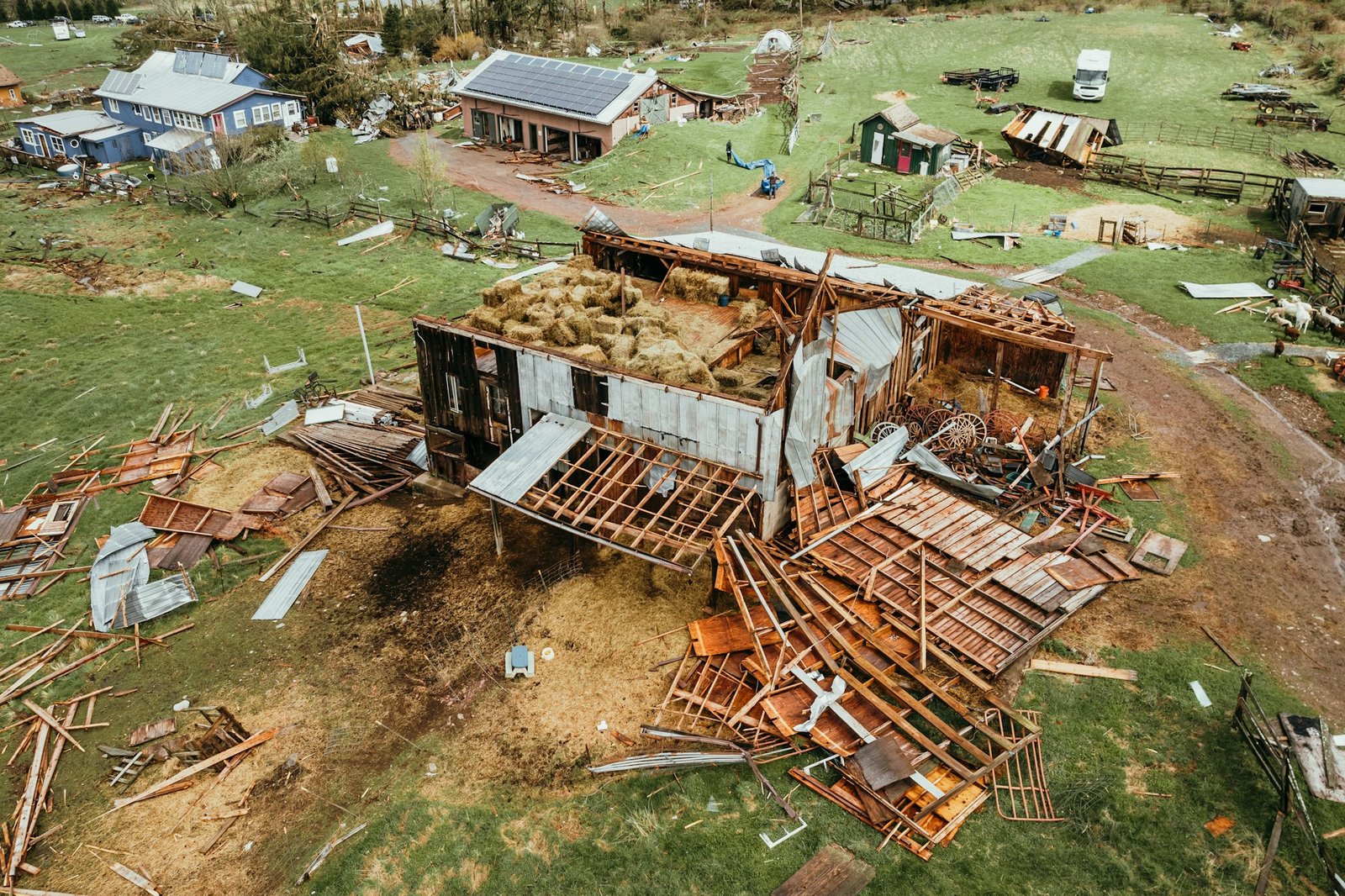
Storm Damage Roof Repair CT: Guide to Efficient Restoration and Prevention
Storm damage to your roof can lead to major issues if it isn’t handled quickly and correctly. In Connecticut, homeowners face powerful winds, hail, heavy snow, and intense rainstorms that can loosen shingles, create leaks, and weaken roofing structures. Even small areas of damage can allow water inside, causing rot, mold, and expensive interior repairs.
The fastest and most effective way to protect your home after a storm is to schedule a professional inspection and repair immediately. Connecticut roofs require specialized knowledge because our climate changes rapidly from season to season, putting unique stress on roofing materials.
Fulcrum Contracting brings more than 20 years of experience restoring storm-damaged roofs across the state, helping homeowners assess hidden problems and strengthen their roofs with durable, weather-resistant materials. Their deep understanding of local building codes, insurance requirements, and storm patterns offers homeowners a strong advantage when navigating repairs.
Taking quick action after a storm doesn’t just prevent further damage—it protects the value of your home, maintains structural safety, and offers long-term peace of mind. In this guide, you’ll learn how to identify common signs of storm damage, what steps to take immediately after severe weather, and why trusted professional repair makes all the difference in Connecticut.
Storm Damage in Connecticut
Storms in Connecticut can cause different kinds of damage to your roof. Knowing what to expect, how local weather affects your roof, and what to do right after a storm can help you protect your home and make repairs faster.
Common Types of Roof Storm Damage
Storms often cause damage like wind lifting or tearing shingles, broken or missing shingles, and dents from hail. Strong winds can blow shingles off, exposing your roof deck to water leaks.
Hail can crack shingles or damage gutters and vents. Sometimes storms cause water intrusion through damaged flashing or roof vents.
This can lead to leaks inside your home. If your roof has standing water or sagging areas after a storm, there’s likely serious damage.
You should look for these signs carefully after any storm. Fulcrum Contracting advises paying close attention to shingles, gutters, and any rooftop equipment for visible damage or missing parts.
How Connecticut’s Climate Impacts Roofs
Connecticut faces a mix of high winds, hail, heavy rain, and occasional snow, all within a short time. Summer thunderstorms often bring fast, strong winds that can tear shingles.
Hailstorms, although less frequent, can create small but serious dents and cracks. Winters add extra stress with snow and ice buildup.
Ice dams can form along roof edges, causing water to back up under shingles. Your roof materials need to handle these changing conditions well.
Fulcrum Contracting uses materials tested for Connecticut’s weather to protect roofs through all seasons. Homes in areas like Fairfield and Hartford County especially need roofs built to resist these local risks.
Immediate Steps After Storm Damage
After a storm, first check your roof and attic for leaks or visible damage. If you see missing shingles or water stains, take photos before any repairs.
Documenting damage helps with insurance claims. Next, protect your home from further damage by covering holes or exposed areas with a tarp.
Avoid climbing your roof if it’s unsafe; hire experienced professionals like Fulcrum Contracting to inspect and repair. Contact your insurance company early to report damage.
Prompt inspection and repair will limit water damage and costly fixes later. Acting quickly can save your home and reduce long-term repair costs.
Assessing Roof Damage After a Storm
After a storm, it’s important to check your roof carefully to prevent more damage. You should look for visible problems, understand signs of hidden damage, and know when to get expert help.
These steps help protect your home and make repairs faster and easier.
Visual Inspection Tips
Start by walking around your home and looking at the roof from the ground. Check for missing, cracked, or curled shingles.
Look for dents or chips, especially after hail. Also, note any debris or loose materials on the roof.
Use binoculars for a closer look if you can’t get near the roof safely. Inside your home, check the attic or top floors for water stains or wet spots on the ceiling or walls.
Take photos of any damage you see. This helps when filing an insurance claim.
Never climb on a wet or damaged roof. If you feel unsafe or unsure, skip this step and call a professional.
Signs of Hidden Roof Damage
Some damage may not be obvious from the outside. Look for granule loss on asphalt shingles; this can appear as sand-like material in gutters.
Soft or spongy areas on the roof deck or inside your attic may signal damage underneath shingles. Check for leaks or moisture spots on attic insulation or wood.
Wind can lift shingles slightly without removing them, allowing water to seep in. These problems worsen over time and can lead to mold or rot.
Hidden damage affects the roof’s ability to protect your home, so paying close attention is key.
When to Call a Roofing Professional
If you notice missing shingles, large holes, significant leaks, or damaged flashing, it’s best to contact a roofing professional immediately. Also, call if you find soft spots or extensive granule loss.
Professionals like Fulcrum Contracting have the experience to safely inspect and repair damage. They will also help document damage clearly for your insurance claim.
If your roof suffered major storm damage, prompt professional help reduces repair costs and prevents further problems. Fulcrum Contracting serves many Connecticut communities and understands local storm effects on roofs and materials.
Emergency Storm Damage Roof Repair Services
Quick action after storm damage helps protect your home from leaks and structural harm. Knowing when repairs should start and the difference between temporary and permanent fixes ensures your roof gets the right care fast.
Storm Damage Response Timeframes
You should arrange roof repair as soon as possible after a storm. Delays can lead to water damage inside your home and more costly repairs later.
For serious issues like missing shingles or leaks, most contractors recommend contacting them within 24 to 48 hours. At Fulcrum Contracting, emergency teams respond quickly to assess damage and start repairs.
They understand local weather risks, so they prioritize safety and structural integrity. Fast response can prevent further damage from rain or wind following the initial storm.
Prompt inspection also helps with insurance claims by documenting damage early. Waiting too long can make it harder to prove the cause and extent of damage.
Temporary vs. Permanent Repairs
Temporary repairs protect your home until a full repair can be done. These might include tarping a damaged area or securing loose shingles.
Temporary fixes stop water and debris from entering your home, reducing immediate risk. Permanent repairs replace or rebuild damaged roofing materials for long-term protection.
This can mean installing new shingles, flashing, or underlayment. Permanent repairs ensure your roof withstands future storms.
Fulcrum Contracting often begins with temporary solutions to stop leaks. Then they schedule permanent work as soon as weather and materials allow.
Knowing the difference helps you prioritize safety now while planning for a solid roof replacement later.
Choosing a Roofing Contractor in CT
Finding the right contractor affects how quickly and well your roof recovers from storm damage. You want someone with local experience, proper credentials, and clear communication.
Asking the right questions will help ensure you pick a professional who meets your needs.
What to Look for in a Local Roofing Company
Choose a company that understands Connecticut’s weather, building codes, and common roof problems. Local experience matters because storms here can bring snow, wind, and hail.
Look for a contractor with over 20 years in the area, like Fulcrum Contracting, which serves Fairfield, New Haven, Hartford, and nearby towns. Check online reviews and ask neighbors for recommendations.
A trustworthy roofer will have clear pricing, prompt responses, and detailed contracts. You want someone who uses materials built to last in Connecticut’s climate and offers reliable repairs after storms.
Certifications and Licensing in Connecticut
Make sure your roofing contractor is licensed and insured in Connecticut. Licensing shows they meet state standards for knowledge and safety.
Insurance protects you from liability if workers get hurt on site. Fulcrum Contracting is fully licensed and insured, giving you peace of mind.
Check if the company holds certifications from material manufacturers. These certifications usually mean the roofer is trained to install certain types of roofing correctly.
Also, see if the contractor offers warranties on work and materials. Certified roofers stand behind their quality, which is important after storm fixes.
Questions to Ask Your Roof Repair Specialist
Before hiring, ask how long they have worked in Connecticut and if they specialize in storm damage repairs. Request examples of past projects or references.
Clear communication about timelines and costs is essential to avoid surprises. Inquire about the materials they recommend and why those are best for your home.
Ask if they help with insurance claims or inspections, as this can simplify repairs for you. Finally, confirm project details in writing, such as start and completion dates, to ensure accountability.
Roof Repair Techniques for Storm Damage
Storm damage can affect your roof in several ways, from broken shingles to hidden leaks and structural issues. Knowing how repairs are done helps you make informed decisions about protecting your home.
Key methods include replacing damaged shingles, fixing structural damage, and sealing leaks to prevent further problems.
Shingle Replacement Procedures
Damaged or missing shingles are common after a storm. The repair starts with inspecting your roof to find all affected areas.
You will need to remove loose or broken shingles carefully without harming the surrounding ones. Next, new shingles that match your current roof material are installed.
Asphalt shingles are a popular choice in Connecticut due to their durability and weather resistance. Proper nailing and sealing ensure the new shingles stay in place during future storms.
A professional like Fulcrum Contracting will also check underlayment and flashing to confirm no hidden damage exists. This step helps avoid problems such as water infiltration or heat loss later on.
Repairing Structural Roof Damage
Storms can cause damage beyond the surface—like cracked rafters, broken trusses, or weakened decking. These issues affect your roof’s stability and safety.
You must have a thorough inspection to catch structural damage early. Repairs often involve replacing or reinforcing wood framing affected by wind or debris impacts.
Sometimes, plywood decking needs partial replacement if it has warped or rotted. This prepares the roof for new shingles or other coverings.
Choosing a company with expertise in structural repairs ensures the job meets building codes and withstands harsh Connecticut weather. Fulcrum Contracting brings over 20 years of experience to handle these critical fixes safely.
Fixing Leaks and Preventing Future Issues
Leaking roofs cause water damage inside your home and must be addressed immediately. Common leak points include roof valleys, flashing around chimneys, vents, and skylights.
After a storm, inspecting these areas is vital. Repairs involve sealing cracks, replacing damaged flashing, or applying waterproof membranes to vulnerable spots.
Cleaning gutters and removing debris also help water flow properly off your roof. To prevent future leaks, consider installing higher-quality materials or upgrading to hail-resistant shingles.
Regular maintenance and timely repairs reduce risks and keep your home protected year-round.
Insurance Claims for Storm Damaged Roofs in CT
If your roof is damaged by a storm, you will need clear steps to get your insurance claim approved smoothly. Properly documenting damage, understanding your policy, and working with insurance adjusters are key to covering repair or replacement costs with minimal hassle.
Documenting Roof Damage for Claims
Start by taking detailed photos and videos of all damaged areas right after the storm. Focus on missing or broken shingles, dents, holes, and any water leaks in the attic.
Write down when and how the damage happened and keep any receipts for emergency repairs, like tarping your roof. A thorough inspection by a professional, such as Fulcrum Contracting, can provide a detailed report for your insurer.
Make sure you keep a copy of everything you submit. This clear documentation helps prove that the damage was caused by the storm, not wear and tear.
Understanding Policy Coverage
Your homeowner’s insurance usually covers sudden, accidental damage like hail or wind, but coverage depends on details such as your roof’s age and condition.
Older roofs may have limited benefits or require you to pay a depreciation fee first. Storm damage to functionality (like leaks or missing shingles) is typically covered, but damage from general wear, neglect, or poor maintenance is not.
Review your policy carefully for your deductible amount and what storm types are included. If unsure, Fulcrum Contracting can help explain your policy terms and what costs you might expect during repairs or replacement.
Working With Insurance Adjusters
When an adjuster visits your home, be ready to show your damage photos, inspection reports, and repair estimates. Point out all the storm-related damage clearly and calmly.
It’s okay to ask questions or request a second inspection if you believe the settlement is too low. Stay organized by keeping notes of all communications with your insurer.
Working closely with a trusted roofing expert like Fulcrum Contracting can ensure the claim process moves faster and that your repair costs are properly valued.
Preventing Future Storm Damage
Protecting your roof from future storms starts with regular care and smart material choices. Taking these steps lowers the risk of serious damage and extends your roof’s lifespan.
Routine Roof Maintenance in New England
Routine maintenance is crucial because New England weather can be harsh with snow, wind, and rain. You should inspect your roof at least twice a year, especially after storms.
Look for missing or loose shingles, damaged flashing, and clogged gutters. Clearing debris and fixing small issues early prevents leaks and structural problems.
Hiring professionals like Fulcrum Contracting ensures any damage is properly assessed and repaired before it worsens.
Regular maintenance also helps you document your roof’s condition, which is important if you need to file insurance claims after a storm.
Upgrading Roofing Materials for Storm Resistance
Upgrading your roof with storm-resistant materials protects your home better. Asphalt shingles with enhanced wind ratings or impact-resistant coatings perform well in Connecticut’s storm seasons.
Metal roofing is also a good option since it resists heavy rain, hail, and wind damage. Consider materials that meet local climate needs and building codes.
Fulcrum Contracting offers options designed to withstand wind, rain, and snow typical in Connecticut.
Cost Considerations for Storm Damage Roof Repair
When planning for storm damage roof repair, it is important to understand what affects the price and how you can manage payment options. Your costs will depend on several key factors related to the repair work, materials used, and your financing choices.
Factors That Affect Repair Costs
The size of your roof and the type of damage are the biggest cost drivers. Minor repairs, like replacing a few shingles, might cost a few hundred dollars.
More severe damage, such as structural issues or complete roof sections needing replacement, can push costs higher. Material choice also impacts your bill.
Asphalt shingles are usually less expensive than metal or specialty roofing. Complex roof shapes with many slopes or hard-to-reach areas add to labor costs.
Location matters too. Repair prices in different parts of Connecticut can vary because of local labor rates and permit rules.
Fulcrum Contracting has experience in Fairfield, Hartford, and nearby counties, helping you get a fair price based on your specific roof needs.
Financing and Payment Options
You can explore several ways to cover storm damage repairs. Many homeowners work with insurance companies to file claims, which can cover part or all of the costs if your damage qualifies.
It’s important to act quickly and document the damage carefully. If insurance is not an option, consider financing plans.
Fulcrum Contracting often offers flexible payment plans tailored to your budget. Some contractors provide loans or credit options with low interest rates to spread costs over time.
Paying upfront can sometimes reduce your overall price because contractors can avoid financing fees. Always ask for a clear written estimate before work begins so you know exactly what you owe.
Why Timely Roof Repairs Matter in CT
In Connecticut, your roof faces tough weather year-round. Heavy snow, strong winds, and hail can cause serious damage quickly.
Storm damage like missing shingles or leaks lets water enter your home. This can cause mold, rot, and structural issues.
These problems hurt your home’s safety and decrease its value.
Timely roof repairs help you:
- Prevent water damage to your home’s interior
- Avoid costly fixes from worsening damage
- Extend the lifespan of your roof
- Maintain insurance coverage by keeping your roof in good condition
Fulcrum Contracting understands Connecticut’s weather and offers fast, reliable repair services. Acting quickly after a storm lets you protect your home and stop damage before it spreads.
With over 20 years of experience, Fulcrum Contracting provides expert advice and repairs to keep your roof strong and secure.
Your roof is your home’s first defense. Timely repairs ensure it stays that way through every season.
Protect Your Home With Timely Restoration
Storm damage roof repair is an important part of home maintenance in Connecticut. By understanding how storms affect roofing systems, knowing how to spot damage early, and getting professional help when problems appear, you protect the structure of your home and avoid costly long term repairs. Prompt inspections and skilled workmanship ensure your roof stays strong through heavy winds, snow, hail, and seasonal temperature changes. Fulcrum Contracting offers storm repair experience tailored to Connecticut homes, helping you move from damage to full restoration with confidence and clear guidance. With the right care, your roof will continue to protect your family, your home, and your investment through every season.
Frequently Asked Questions About Storm Damage Roof Repair in Connecticut
How do I know if my roof has storm damage?
Look for signs such as missing shingles, dents from hail, damaged flashing, water stains on ceilings, or granules in gutters. Even if the damage isn’t visible from the ground, leaks or soft spots in the attic can signal hidden problems.
How quickly should storm damage be repaired?
As soon as possible. Storm damage worsens quickly, and delays lead to leaks, mold, and expensive structural repairs. Most experts recommend scheduling an inspection within 24–72 hours after the storm.
Will homeowners insurance cover storm damage roof repair?
Most policies cover sudden damage from wind, hail, or fallen debris. Coverage depends on your roof’s age, the cause of damage, and your deductible. It’s important to document everything and file a claim promptly.
Should I inspect my roof myself after a storm?
It’s fine to check from the ground, but climbing onto the roof is risky and may void warranty coverage. A professional inspection ensures hidden damage is not missed and keeps you safe.
What is considered an emergency roof repair?
Active leaks, large missing shingle sections, sagging roof areas, and structural damage all qualify as emergencies. These issues can quickly threaten the inside of your home and require immediate attention.
How long does storm damage roof repair take?
Minor repairs may be completed the same day, while larger storm-restoration projects may take several days, depending on the extent of damage and weather conditions.
What roofing materials perform best in Connecticut storms?
Impact-resistant asphalt shingles and metal roofing handle wind, hail, and snow well. Materials rated for New England weather provide stronger long-term protection and reduce storm-related repairs.
Should I tarp my roof after a storm?
Tarping can prevent further interior damage until repairs begin, but it should be installed by a professional to avoid causing additional harm to the roof surface.
Why hire a local Connecticut roofing company for storm repairs?
Local roofers understand state building codes, insurance requirements, and weather patterns. They know how storms here impact roofs and can respond faster than out-of-state companies.
How can Fulcrum Contracting help with storm damage?
Fulcrum Contracting brings more than two decades of experience handling storm-damaged roofs across Connecticut and offers professional inspection, repair, insurance guidance, and long-lasting materials designed for New England weather conditions.