
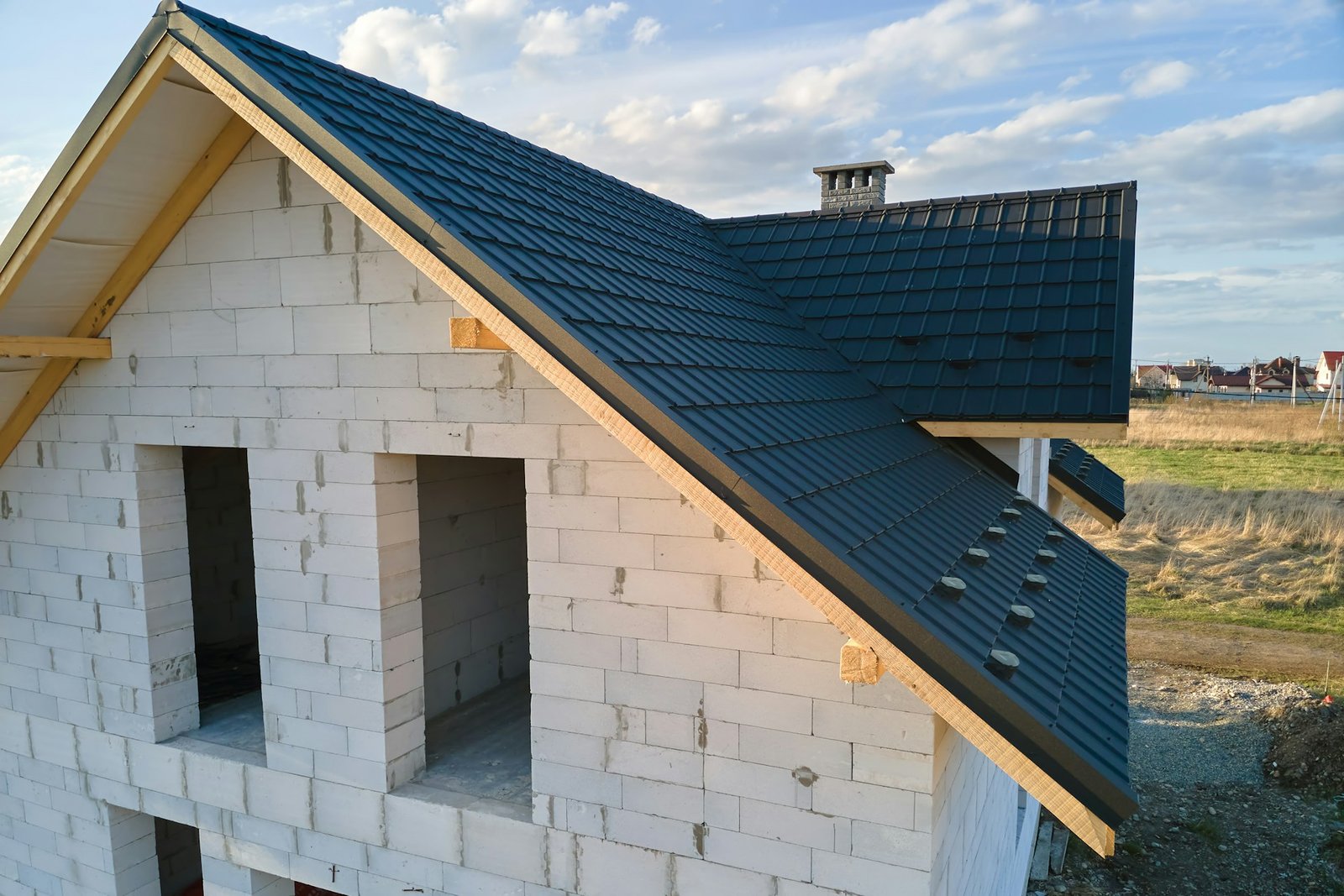
Roof Flashing Purpose: Get Effective Water Protection
Roof flashing is an essential part of your roof’s defense against water damage. Its main purpose is to direct water away from vulnerable areas like roof joints, chimneys, and edges, preventing leaks and protecting your home from costly damage.
Without proper flashing, water can seep into your roof’s structure, causing rot, mold, and other issues.
When you choose a roofing company like Fulcrum Contracting with over 20 years of experience in Connecticut, you get experts who understand how to install flashing correctly for your local weather. Proper flashing works with the natural slope of your roof to keep water flowing where it belongs—off your home.
Knowing how flashing protects your roof can help you spot problems early and ensure repairs are done right. Keeping your flashing in good shape means a stronger, drier roof that stands up to rain, snow, and storms common in Connecticut.
Roof Flashing
Roof flashing is a small part of your roof but plays a big role in stopping water damage. It works by sealing gaps and directing water away from places where leaks can start.
Knowing what flashing is and how it works can help you protect your home better.
What Is Roof Flashing?
Roof flashing is a thin piece of metal or other waterproof material installed around roof features. These features include chimneys, skylights, vents, and any joints where different roof parts meet.
Its job is to stop water
Mold and Mildew Development
Moisture from improper flashing creates the perfect environment for mold and mildew growth inside your attic and walls. Mold spreads quickly and can harm indoor air quality, potentially affecting your family’s health.
You may not see mold at first, but it can cause musty odors, discoloration, and even wood decay. Addressing flashing problems stops moisture buildup and limits mold growth.
Regular inspections and maintenance are important to keep these issues from taking hold in your home. Fulcrum Contracting recommends timely flashing repairs as part of routine roof care.
Maintenance and Inspection of Roof Flashing
Keeping your roof flashing in good condition is essential to prevent water leaks and damage. You need to check it regularly, know what signs show it might be failing, and understand when and how to fix or replace it.
Regular Inspection Schedules
You should inspect your roof flashing at least twice a year, ideally in spring and fall. Also, check after strong storms, heavy winds, or hail.
These weather events can loosen or damage flashing. During your inspection, look closely at joints, seams, and any areas where flashing connects to chimneys, vents, or walls.
Use binoculars if you can’t easily reach the roof. If you notice rust, cracks, or gaps, it’s time for a professional inspection.
Fulcrum Contracting recommends adding flashing checks to your yearly roof maintenance routine.
Signs of Flashing Failure
Watch for these signs that your flashing may have problems:
- Water stains on ceilings or walls inside your home
- Visible gaps, cracks, or rust on the flashing
- Loose or missing nails or fasteners
- Peeling or damaged sealant around flashing areas
If you see water marks inside your house, it means moisture is getting in. Flashing failure causes this by letting rain seep through roof gaps.
Rust or cracks let water through too, especially around metal flashing.
Repair and Replacement Tips
Small flashing issues may be fixed with sealant or patching. Use a high-quality roofing sealant designed for your flashing material.
Make sure the surface is clean before applying. If flashing is severely corroded, torn, or loose, full replacement is safer than patching.
Replacement requires removing old flashing and installing new metal or aluminum that matches your roof. For best results, hire a licensed professional like Fulcrum Contracting.
They understand Connecticut’s weather and code requirements and ensure flashing is properly sealed and secured.
Roof flashing is a vital part of your roofing system. It directs water away from joints and openings like chimneys, vents, and skylights.
This helps prevent leaks that can cause serious damage over time. When flashing is properly installed and maintained, it protects your home’s structure and extends the lifespan of your roof.
Neglecting flashing may lead to water infiltration, which can cause costly repairs. You should look for signs of damage such as gaps, rust, or misalignment.
If flashing is damaged, contact a professional roofing contractor like Fulcrum Contracting to inspect and fix the issue quickly. At Fulcrum Contracting, we understand the challenges of Connecticut’s weather.
Our expertise ensures your roof flashing is installed with materials designed to withstand local conditions. This gives you reliable protection year-round.
Keeping your flashing in good shape is part of regular roof care. Clearing gutters and scheduling professional inspections will help maintain flashing performance and avoid leaks.
Key points to remember:
- Flashing prevents water damage around roof features
- Proper installation limits leaks and protects your home
- Regular checks and maintenance keep flashing effective
- Fulcrum Contracting offers trusted service with local knowledge
Common Types of Roof Flashing and Where They Are Used
Understanding the types of roof flashing used on Connecticut homes helps you recognize how each part protects against leaks. Different areas of a roof face different water pressures, so flashing is designed to suit each location. Step flashing, for example, is placed along the base of walls and dormers. It guides water safely downward and prevents moisture from slipping behind siding or shingles. This type is especially important in older homes that have multiple roof angles.
Chimney flashing combines two parts: base flashing and counter flashing. Together, these pieces create a strong, watertight seal around your chimney. Since chimneys face direct rainfall and melting snow, chimney flashing must be installed carefully and checked often. Problems here are among the most common causes of attic leaks.
Valley flashing sits in the V-shaped channels where two roof slopes meet. These areas deal with concentrated water flow during storms, so valley flashing must be durable, rust-resistant, and securely sealed. Skylight and vent flashing also play key roles by surrounding roof openings. They protect areas that would otherwise be vulnerable to rain and melting ice.
Knowing these flashing types gives homeowners a clearer idea of how their roofing system works and why maintenance matters. When each piece functions correctly, water moves off the roof efficiently, helping prevent leaks and structural deterioration.
Keeping Your Flashing in Strong Condition
Understanding how roof flashing protects your home gives you a major advantage in preventing leaks and long term water damage. With regular inspections, proper maintenance, and timely repairs, flashing can keep your roof strong through Connecticut rain, snow, and seasonal storms. Paying attention to small warning signs helps avoid costly structural problems later. Homeowners who want experienced guidance and reliable roof protection can turn to Fulcrum Contracting for flashing installation and repair done to the highest standards in Connecticut.
FAQs About Roof Flashing
What does roof flashing actually do?
Roof flashing directs water away from vulnerable areas such as roof joints, chimneys, skylights, and vents. It keeps rain and melting snow from seeping under shingles and damaging your home’s structure.
How long does flashing last before replacement is needed?
The lifespan depends on climate, material quality, and installation. In Connecticut’s weather, flashing often lasts 15 to 30 years, but storms, rust, or poor installation can shorten its life. Regular inspections help catch problems early.
Can flashing be repaired, or does it always need replacement?
Minor issues like small gaps or cracked sealant may be repaired, but major problems such as corrosion, separation, or damaged metal usually require full replacement to prevent future leaks.
What are signs that my flashing is failing?
Interior stains, attic moisture, peeling paint, visible rust, loose metal, or lifted shingles around roof edges are strong indicators. If you see any of these signs, schedule an inspection right away.
Do all roofs need flashing?
Yes. Without flashing, even the strongest shingles cannot fully protect roof seams and openings. Every roof system relies on flashing to stop water from entering beneath surface materials.
Can I install flashing myself?
DIY flashing repairs are risky because improper sealing leads to leaks that may not appear until major damage has begun. Professional installation ensures correct fit, safe fastening, and long-term water protection.
Why is flashing important in Connecticut specifically?
Connecticut roofs face heavy snow, wind, ice, and changing temperatures. These conditions put stress on roof joints and edges. Flashing protects these points by sealing them against moisture intrusion year-round.